
LAKE MANYARA NATIONAL PARK
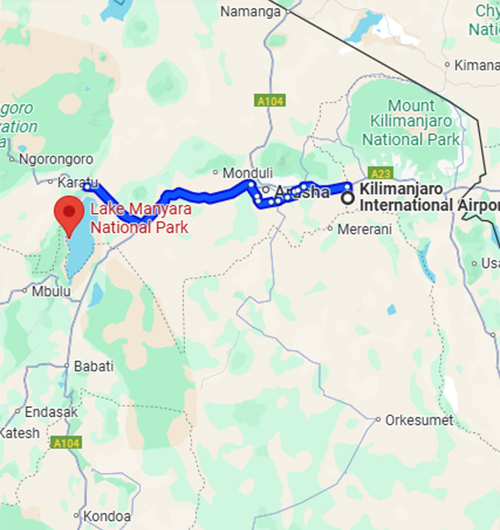
Lake Manyara National Park lies beneath the Manyara Escarpment, on the edge of the Rift Valley. It boasts diverse ecosystems, rich birdlife, and stunning scenery. Located between Ngorongoro Crater and the Serengeti, the park is worth a visit for its unique landscapes and wildlife.
Despite its small size, the park has a variety of habitats, including groundwater forests, open plains, baobab-dotted cliffs, and hot springs. It stretches 50 km along the base of a 600-metre-high escarpment, which Ernest Hemingway once described as the most beautiful he had seen in Africa.
The park is best known for its tree-climbing lions, a rare sight in the wild. It also has the world’s highest concentration of baboons, offering incredible primate viewing. Other wildlife includes elephants, buffalo, zebras, wildebeest, hippos, klipspringers, and blue monkeys.
Lake Manyara itself is an alkaline soda lake that attracts over 400 bird species. Thousands of pink flamingos, pelicans, cormorants, and storks flock to its waters, making it a paradise for birdwatchers.
The compact game-viewing circuit in the park provides a true Tanzanian safari experience, offering breathtaking views and abundant wildlife in a relatively small area.
Attractions & Activities in Lake Manyara National Park
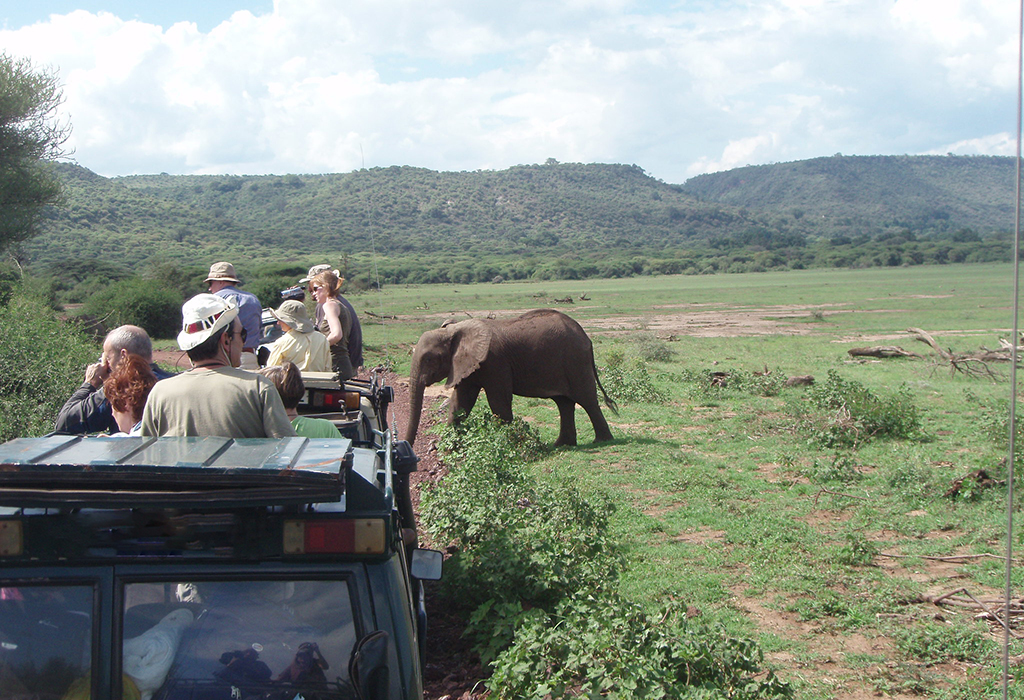
Game Drives
Game drives in Lake Manyara National Park offer visitors a chance to explore the park’s diverse wildlife and breathtaking landscapes. These game drives take place in the morning, afternoon, and evening, providing opportunities to see different animal species at various times of the day. Early morning drives are particularly rewarding as animals are more active and easier to spot before the sun gets too hot. Wildlife sightings include cheetahs, warthogs, buffaloes, zebras, baboons, hippos, klipspringers, and monkeys, which thrive in the park’s forested vegetation. The game drives provide an exciting and immersive experience, making every safari memorable.
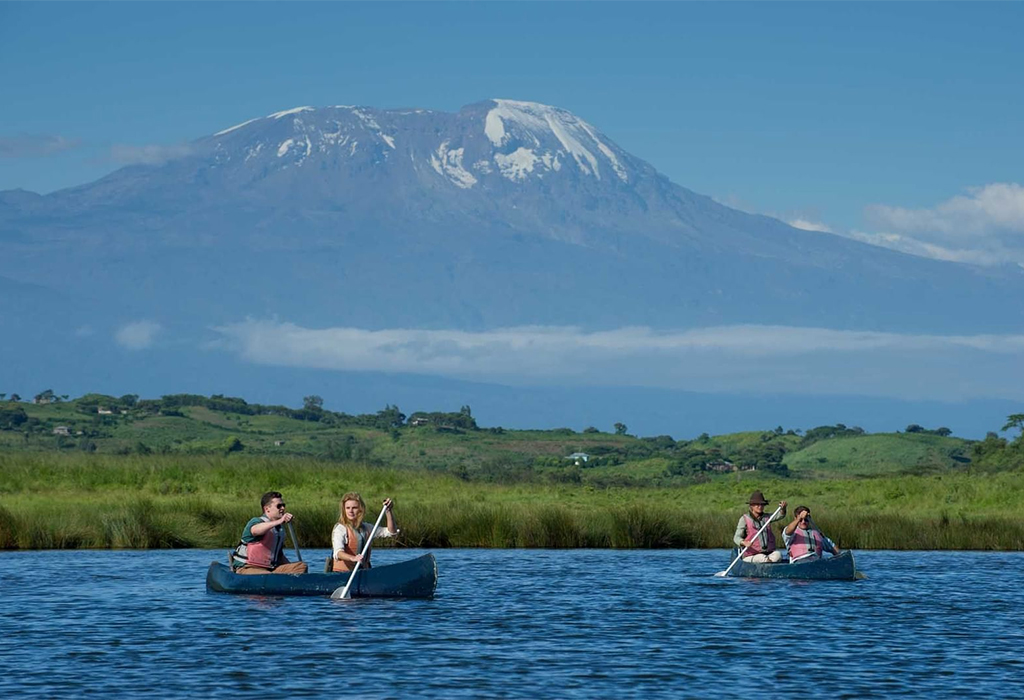
Canoeing
Canoeing on Lake Manyara is a thrilling activity that allows tourists to experience the park from a different perspective. The calm waters of the lake provide ideal conditions for canoe safaris, offering a peaceful yet adventurous way to explore the area. While paddling across the lake, visitors can see hippos, birds, and other wildlife along the shoreline. The canoe rides also offer stunning views of the Great Rift Valley escarpment, lush woodlands, and the surrounding forests. This activity is perfect for bird watchers and nature lovers who want to enjoy a relaxing and scenic adventure on the water.
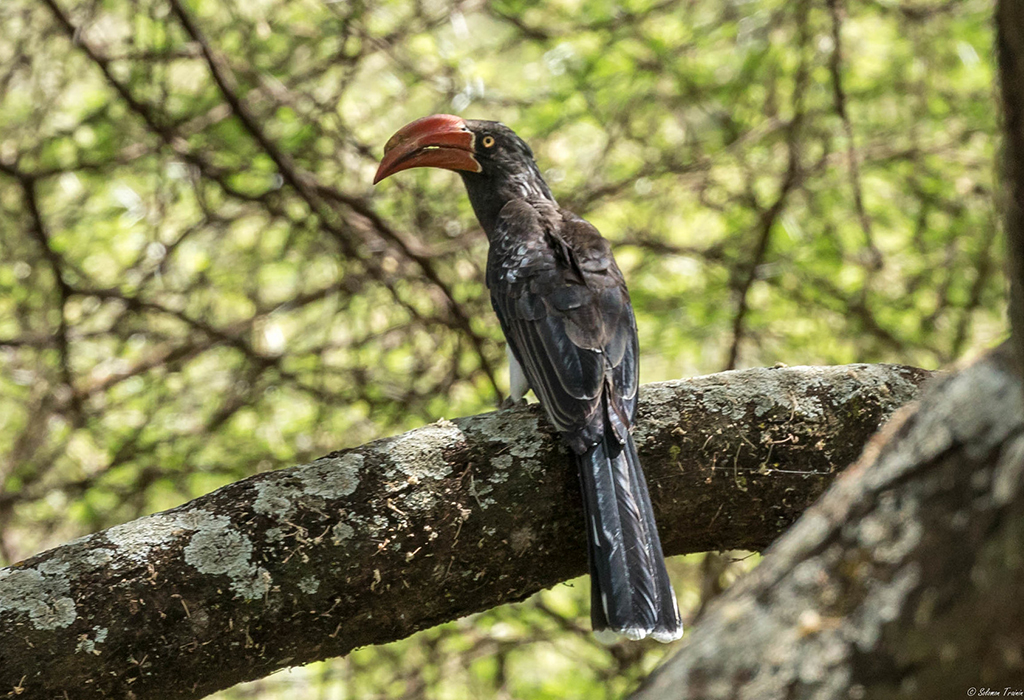
Birding
Lake Manyara National Park is a paradise for bird watchers, with over 400 bird species recorded in the area. The park’s varied ecosystems, including woodlands, forests, and wetlands, support a diverse range of birdlife. The shores of Lake Manyara are home to thousands of flamingos, creating a spectacular pink display. Other notable species include the grey-crowned crane, black-faced sandgrouse, pelicans, storks, and cormorants. Birding in the park is an exciting experience, especially during the migratory season when visitors can see both endemic and migratory birds. The park’s rich birdlife makes it one of Tanzania’s top bird-watching destinations.

Community Visits in Mto wa Mbu
Community visits in Mto wa Mbu offer tourists a chance to interact with local communities and learn about their cultures. The Masai people, known for their rich traditions and distinctive way of life, warmly welcome visitors to their villages. Activities include watching traditional dance performances, where Masai warriors display their energetic jumping skills, and engaging in storytelling sessions. Visitors can also learn about local crafts, such as beadwork and basket weaving, or take part in traditional cooking experiences. These cultural encounters provide a deeper understanding of the Masai’s heritage and offer a meaningful connection with the local community.