
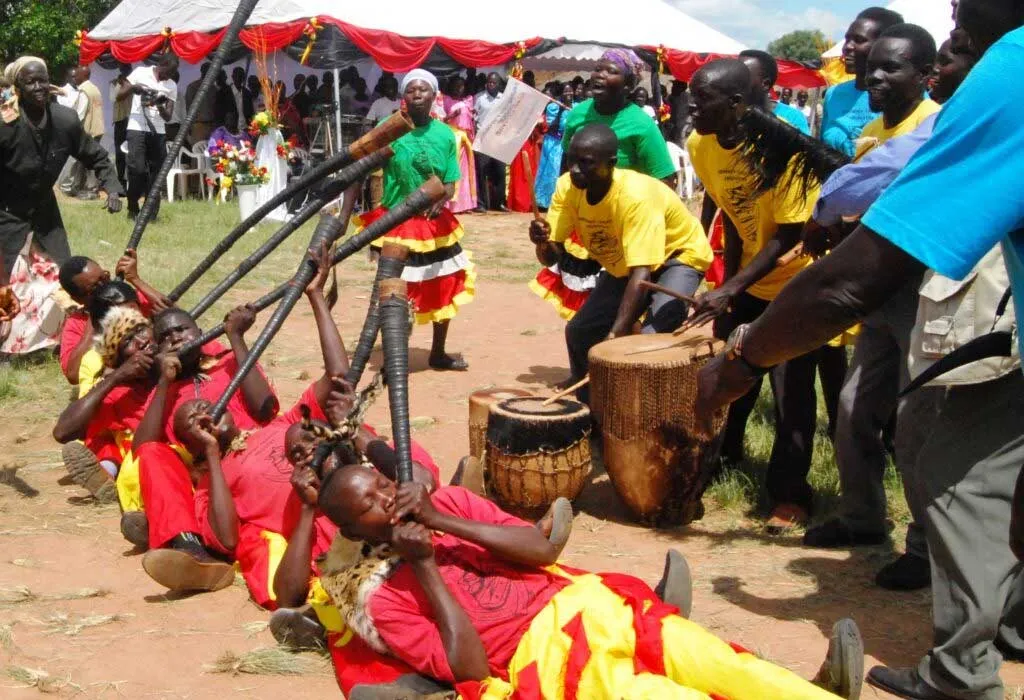
East Africa has rich cultural experiences for travelers. Uganda, Rwanda, Kenya, and Tanzania offer unique traditions. Visitors can enjoy dances, food, storytelling, and historical sites. These experiences give deep insights into local life. Exploring culture helps travelers connect with communities. It also preserves heritage for future generations.
Uganda’s Cultural Experiences
Batwa Cultural Experience

The Batwa people lived in Uganda’s forests for centuries. They have unique hunting and survival skills. Visitors can learn their traditions through guided tours. The Batwa share their dances, music, and stories. They also demonstrate ancient fire-making techniques. This experience supports their community and cultural preservation.
Karamojong Cultural Visit
The Karamojong people live in northeastern Uganda. They are known for their warrior culture and cattle herding. Visitors can experience their lifestyle in traditional homesteads. They can watch dance performances and participate in cattle-related activities. Elders share stories about their history and customs. This visit gives insight into their daily life.
Buganda Kingdom and Kabaka’s Palace

The Buganda Kingdom has a rich history. The Kabaka’s Palace in Kampala is an important site. Visitors can learn about Buganda’s kings and traditions. Guides explain the kingdom’s role in Uganda’s history. The palace also houses cultural artifacts. The visit helps travelers understand Buganda’s influence on Uganda.
Ndere Cultural Centre
Ndere Centre showcases Uganda’s diverse ethnic groups. Visitors can enjoy traditional dances and music performances. The center promotes cultural appreciation through storytelling. Guests taste different Ugandan foods during the experience. This is a great place to learn about Uganda’s heritage.
Rwanda’s Cultural Experiences
Iby’Iwacu Cultural Village

Iby’Iwacu gives visitors a deep cultural experience. It is near Volcanoes National Park. Guests interact with former poachers who now promote conservation. They enjoy traditional dances, learn drumming, and taste Rwandan food. The village teaches about Rwanda’s past and present.
Kigali Genocide Memorial
This memorial honors victims of the 1994 genocide. Visitors learn about Rwanda’s tragic history. Exhibits include survivor testimonies and historical artifacts. The experience promotes healing and unity. It helps visitors understand Rwanda’s journey to peace.
Traditional Imigongo Art
Imigongo is Rwanda’s famous geometric art. Artists use cow dung to create patterns. Visitors can join workshops and make their own designs. This tradition is passed down through generations. The art form remains an important cultural symbol.
Rwanda’s King’s Palace

The King’s Palace in Nyanza shows Rwanda’s royal history. Visitors see a reconstructed traditional palace. Guides explain the role of Rwanda’s past kings. The palace has sacred royal cows. The visit helps travelers understand Rwanda’s monarchy.
Kenya’s Cultural Experiences
Maasai Village Visit

The Maasai are one of Kenya’s most famous tribes. Visitors can tour Maasai villages and meet community members. They learn about Maasai traditions, beadwork, and cattle herding. The warriors perform traditional dances and share stories. This visit supports cultural preservation efforts.
Bomas of Kenya
Bomas of Kenya is a cultural center in Nairobi. It showcases Kenya’s diverse ethnic groups. Visitors watch traditional dances and music performances. They can see replicas of tribal homesteads. The experience helps travelers understand Kenya’s heritage.
Lamu Old Town
Lamu is Kenya’s oldest town. It has a rich Swahili culture and architecture. Visitors explore narrow streets and ancient buildings. They learn about Swahili traditions and history. Lamu is a UNESCO World Heritage Site.
Gedi Ruins
Gedi Ruins show Kenya’s ancient history. The site has remains of a Swahili town. Visitors explore old mosques, houses, and tombs. Guides explain the town’s history and its connection to trade. This visit offers a glimpse into Kenya’s past.
Tanzania’s Cultural Experiences
Hadza Community Visit

The Hadza people are Tanzania’s last hunter-gatherers. Visitors join them on hunting trips. They learn how to track animals and gather food. The Hadza share their traditional songs and dances. This visit provides a rare cultural experience.
Chagga Cultural Experience
The Chagga people live near Mount Kilimanjaro. Visitors learn about their coffee farming traditions. They tour local farms and taste fresh coffee. Guides explain Chagga history and customs. The visit offers insights into their daily life.
Zanzibar’s Stone Town
Stone Town is Zanzibar’s cultural heart. Visitors explore old markets and historical buildings. They learn about Swahili traditions and trade history. The town has a mix of African, Arab, and European influences. This visit gives travelers a deep cultural experience.
Makonde Wood Carving
The Makonde people are famous for wood carvings. Visitors can watch skilled artists at work. They learn about the cultural significance of each carving. Guests can buy unique handmade souvenirs. This supports the local artisans and their craft.