
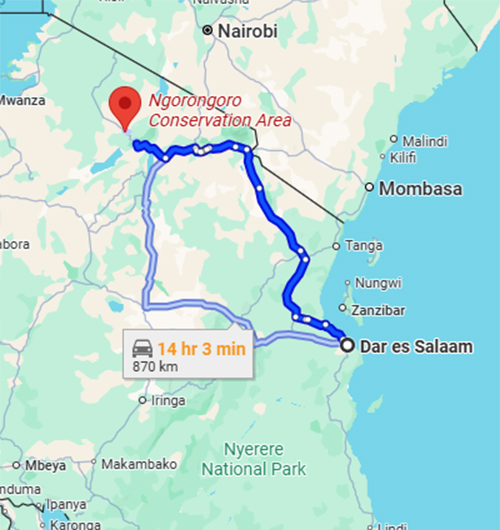
NGORONGORO CONSERVATION AREA
The Ngorongoro Conservation Area in Tanzania is a breathtaking UNESCO World Heritage Site, often called “the eighth wonder of the world.” Covering over 8,000 square kilometers, it is home to stunning landscapes and rich wildlife, making it a top destination for African safaris. The area’s highlight is the Ngorongoro Crater, a vast volcanic caldera that shelters diverse wildlife, including the Big Five—lions, elephants, buffalo, leopards, and rhinos.
Beyond the crater, the conservation area features sweeping grasslands, acacia woodlands, and shimmering soda lakes, creating a vibrant ecosystem teeming with flora and fauna. Visitors can enjoy incredible wildlife sightings while also experiencing the rich Maasai culture. The Maasai people live within the conservation area, coexisting with the wildlife and maintaining their traditional way of life.
Ngorongoro offers more than just safari adventures; it is a place where nature and culture blend seamlessly. Whether witnessing predators in action, spotting rare bird species, or engaging with the Maasai, every moment here is unforgettable. With its dramatic scenery, abundant wildlife, and cultural heritage, the Ngorongoro Conservation Area is a must-visit for nature lovers and adventure seekers exploring Tanzania.
Attractions & Activities in Ngorongoro
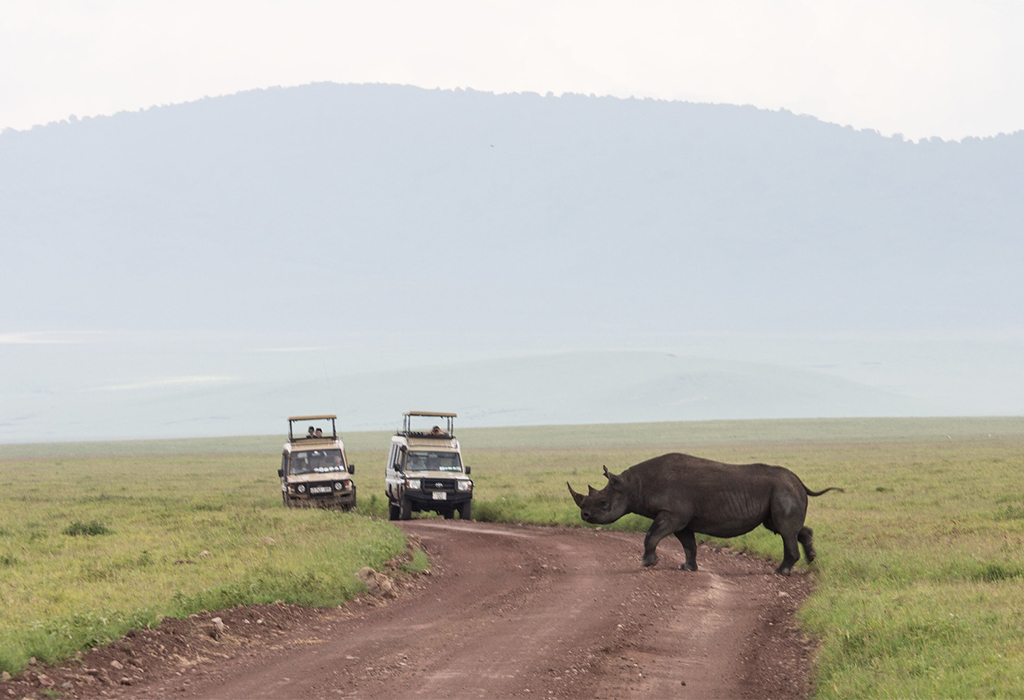
Game Drives
The Ngorongoro Conservation Area is one of the best places to enjoy game drives, thanks to its rich biodiversity. This UNESCO World Heritage Site is home to vast landscapes, volcanic craters, and a diverse range of wildlife. Some of the key game drive locations include the Ngorongoro Crater, Ndutu Plains, Sale Plains, Gol Mountains, Nasera Rock, Embulbul, and Olkarien Gorge. The Ngorongoro Crater is the most popular among visitors. Descending into the crater, you can spot various bird species in the highland forest before encountering grazing herbivores and predators on the crater floor, making for an unforgettable safari experience.
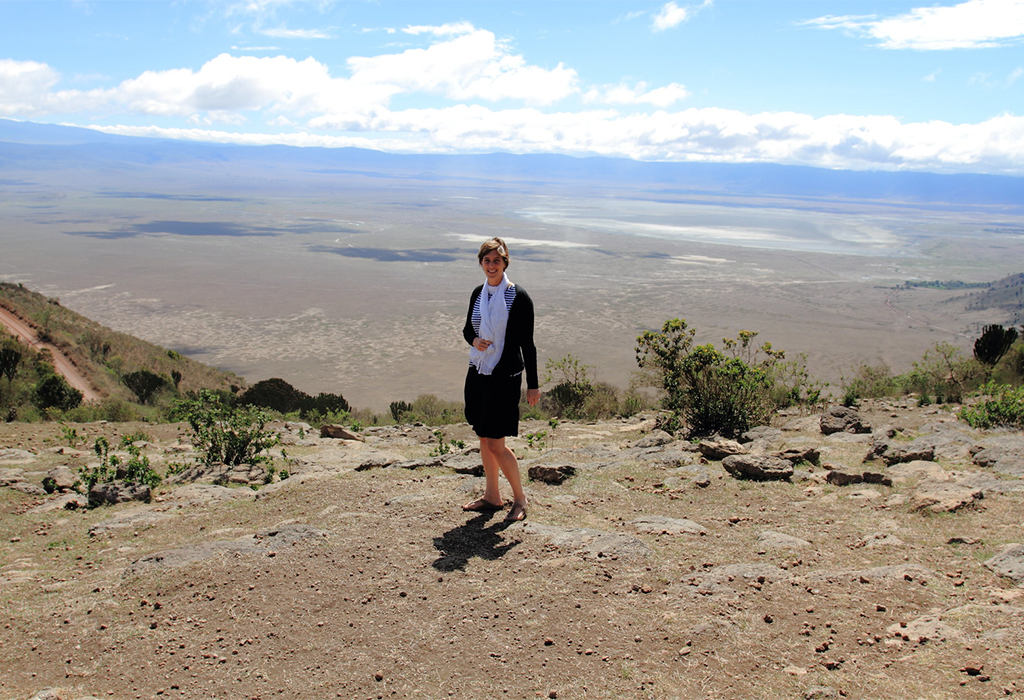
Walking Safaris
A walking safari in the Ngorongoro Conservation Area is a thrilling way to explore the region’s breathtaking landscapes and wildlife. It offers an immersive experience, allowing visitors to walk through natural habitats while observing diverse wildlife and meeting local communities like the Maasai, Datoga, and Hadzabe. Key walking destinations include the Ngorongoro Crater rim, Empakaai Crater, Olmoti Crater, Mount Makarot, and Mount Lolmalasin. Walks range from short treks lasting less than four hours to longer, multi-day hikes. For safety, all walking safaris must be accompanied by an armed ranger, and prior booking is required to ensure proper arrangements.
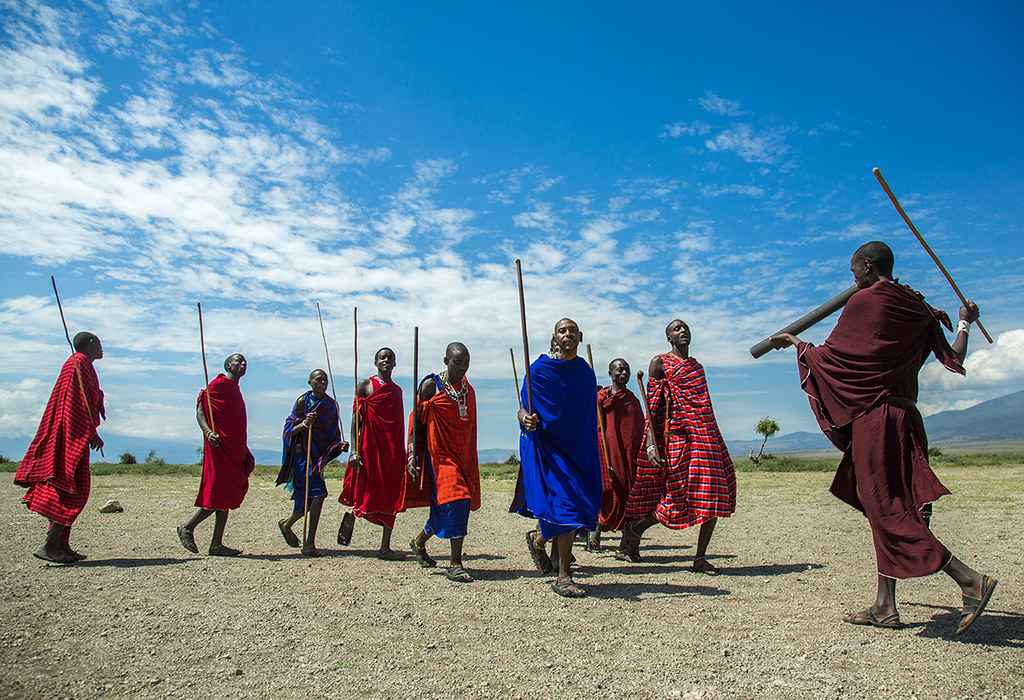
Cultural Tours
Cultural tours in the Ngorongoro Conservation Area provide an excellent opportunity to interact with indigenous communities and learn about their traditions. The Maasai, Datoga, and Hadzabe are among the ethnic groups that inhabit the area. The Maasai migrated from the Nile region in the 18th century and are known for their distinct culture. The Datoga are pastoralists, while the Hadzabe are hunter-gatherers residing near Lake Eyasi. Visitors can tour Maasai Bomas to witness traditional ceremonies, take photos, and purchase handcrafted souvenirs. These cultural encounters offer valuable insights into the unique lifestyles of these ancient African communities.
Birding
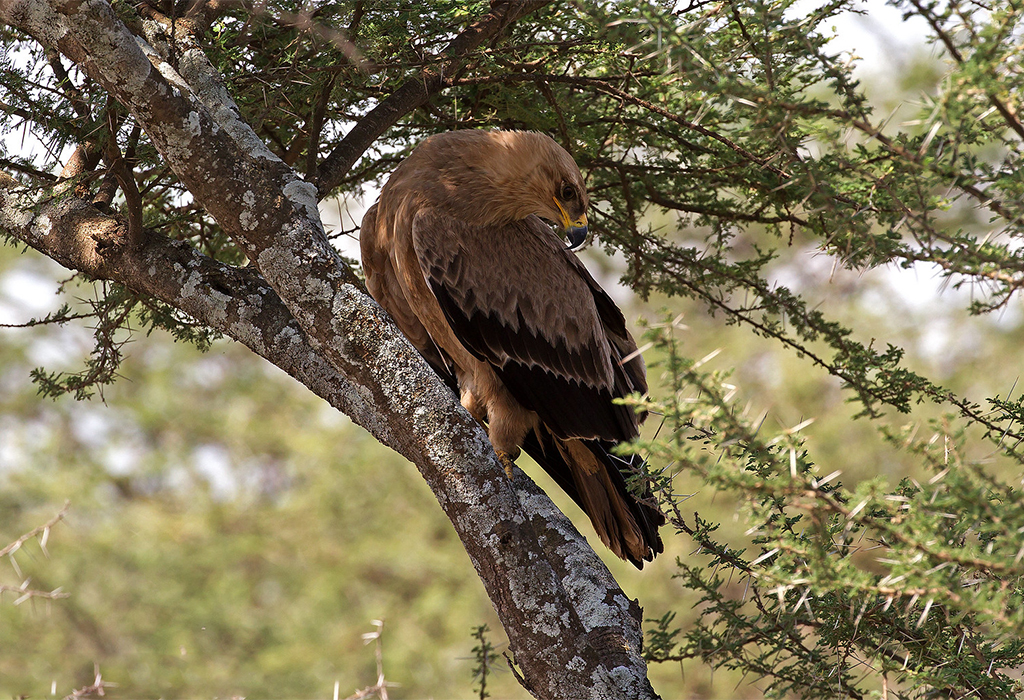
Birdwatching in the Ngorongoro Conservation Area is a paradise for ornithologists, with over 550 bird species recorded. The diverse habitats, including grasslands, lakes, marshes, and highland forests, support a variety of resident and migratory birds. During the wet season, Eurasian migrants such as white storks, yellow wagtails, and swallows arrive, mingling with native species like flamingos, stilts, ibises, and ducks. Lake Magadi, on the crater floor, hosts thousands of lesser flamingos. The highland forests shelter turacos and hornbills, while the plains are home to ostriches, kori bustards, and crowned cranes. Raptors and scavengers can also be spotted throughout the area.