
VIRUNGA NATIONAL PARK
Virunga National Park is a 7,800 km² World Heritage Site in eastern Democratic Republic of Congo. It borders Uganda and Rwanda. Established in 1925 as Albert National Park by King Albert I of Belgium, it is Africa’s oldest national park. Initially created to protect mountain gorillas, it later expanded to include the Rwindi Plains, Lake Edward, and the Rwenzori Mountains. The park is named after the Virunga Mountain range in the south but extends far beyond, reaching Lake Edward in the north.
Virunga has a unique mix of landscapes, from lowland tropical forests in the north to alpine forests in the Rwenzori Mountains. It also features riverine forests, swamps, savannahs, and volcanic terrain, including Nyiragongo Volcano, whose lava lake glows at night. This variety makes Virunga home to incredible biodiversity.
The southern montane forests shelter mountain gorillas, chimpanzees, golden monkeys, blue monkeys, and black-and-white colobus. Forest elephants, buffaloes, and golden cats also live here. The central savannahs host lions, leopards, kob, hyenas, topi, and warthogs. Lake Edward, once home to 20,000 hippos, is recovering, with hippos and crocodiles now frequently seen. Virunga remains one of Africa’s most ecologically diverse and spectacular wildlife destinations.
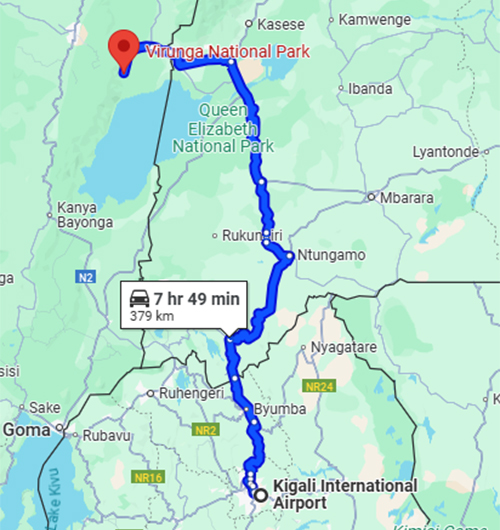
Main Attractions & Activities in Virunga
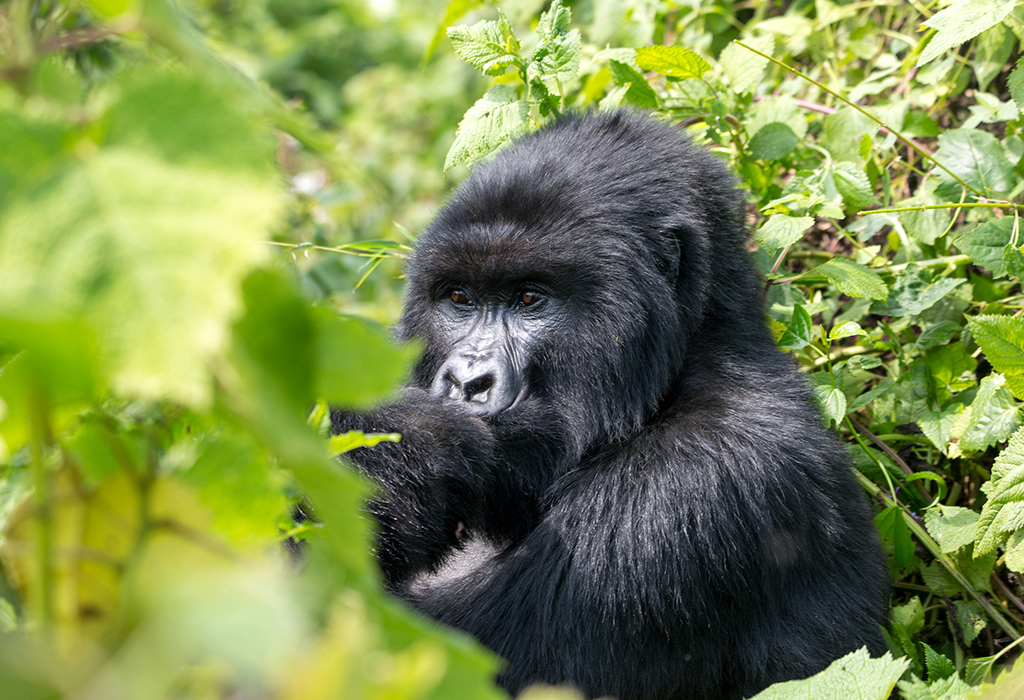
Mountain Gorillas
The Mountain Gorillas reside in the Mikeno Sector of Virunga National Park, located around a two and a half hour drive from Goma. Alternatively, they can be accessed from Bunagana at the Uganda border. The gorilla trekking permit costs US$465, making it slightly more affordable than in Uganda or Rwanda. The experience here tends to feel more authentic, with smaller trekking groups. Various operators can arrange your trek, but all bookings are managed through the ICCN (Congolese Wildlife Authority) sales office in Goma. Alternatively, you can book directly with ICCN via their tourism email: tourism@gorilla.cd.
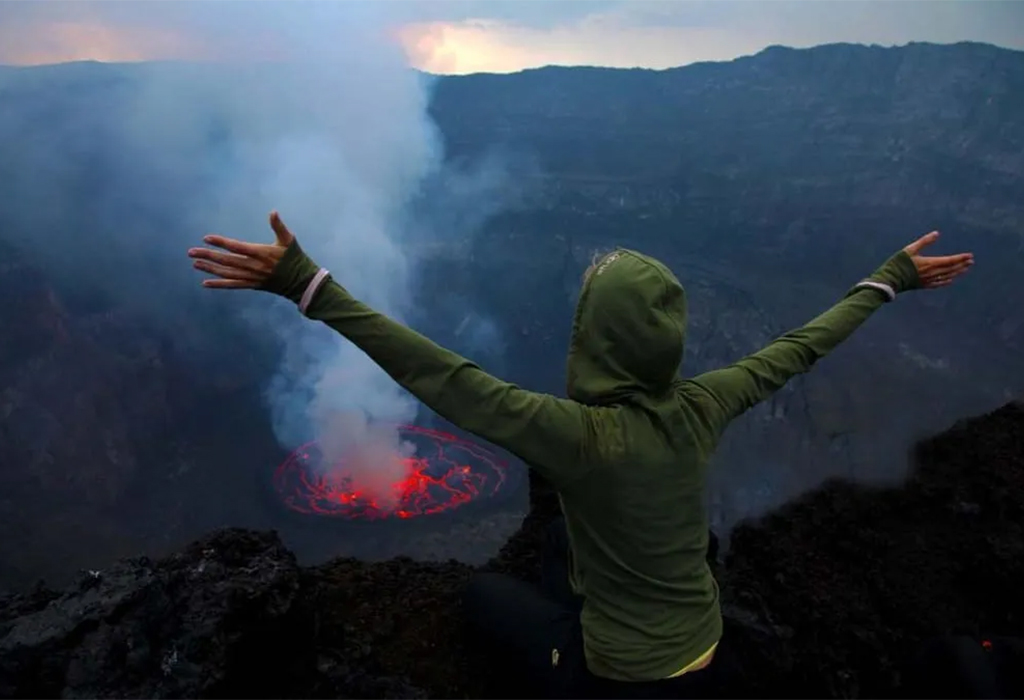
Nyiragongo Volcano Hike
Nyiragongo Volcano, located in Virunga National Park, is renowned for having the largest lava lake in the world. Climbing the volcano is relatively easy, with the main approach starting from Goma. The ascent usually takes under six hours, and most climbers opt to spend the night at the summit, giving them the opportunity to witness the mesmerizing boiling lava at night. This experience offers an unforgettable view of the fiery lava, especially under the night sky. The hike typically spans two days—one day for climbing and another for descending, ensuring a safe and exciting adventure.