
Birding in Uganda, Rwanda, Kenya & Tanzania
East Africa offers incredible bird watching experiences. Uganda, Rwanda, Kenya, and Tanzania have diverse bird habitats. These countries attract birders with their unique species and breathtaking landscapes. Wetlands, forests, lakes, and savannahs support an impressive variety of birds. Many migratory and endemic birds thrive in these ecosystems. Each country offers fantastic birding destinations, making East Africa a paradise for bird lovers.
Birding in Uganda
Uganda hosts over 1,000 bird species. The country’s diverse landscapes provide excellent bird watching opportunities. Forests, wetlands, lakes, and savannahs attract rare and colorful birds. Birders enjoy Uganda’s scenic locations while spotting remarkable species.
Mabamba Swamp
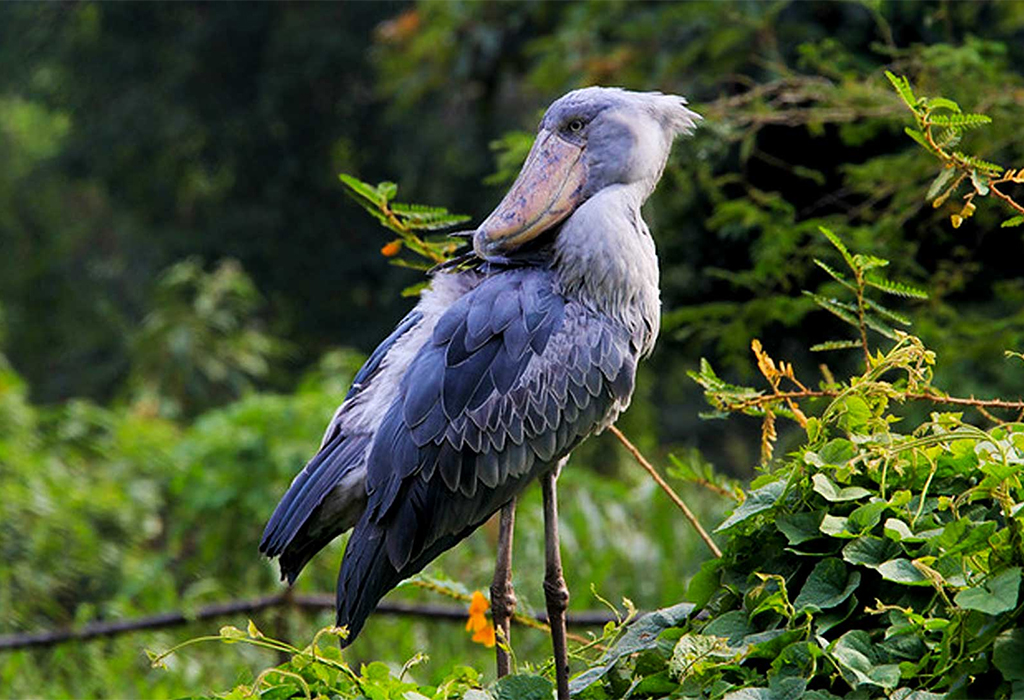
Mabamba Swamp near Lake Victoria attracts birders with its famous shoebill stork. The swamp provides a perfect habitat for waterbirds. Birders explore this wetland using canoes. This allows close encounters with the shoebill and other aquatic species. The swamp also hosts African jacanas, malachite kingfishers, and papyrus gonoleks. Mabamba remains one of the best birding destinations in Uganda.
Bwindi Impenetrable Forest
Bwindi Impenetrable Forest National Park supports diverse bird species. Birders visit the forest to see the African green broadbill. Many Albertine Rift endemics thrive in Bwindi’s dense vegetation. The park hosts bar-tailed trogons, dusky crimsonwings, and short-tailed warblers. Birding trails take visitors deep into the forest. The lush environment makes Bwindi a top birding destination.
Murchison Falls National Park
Murchison Falls National Park offers spectacular birdwatching experiences. The park’s savannah and riverine habitats attract many bird species. The Nile River supports goliath herons, African skimmers, and pied kingfishers. Savannah areas provide sightings of Abyssinian ground hornbills and red-throated bee-eaters. The park’s stunning landscapes enhance the birdwatching experience.
Birding in Rwanda
Rwanda may be small, but it offers diverse bird species. The country features forests, wetlands, and savannahs. Birders explore Rwanda’s national parks for unique avian encounters.
Nyungwe Forest National Park
Nyungwe Forest National Park shelters rare and endemic birds. The great blue turaco attracts many birders. The red-collared mountain babbler thrives in the park’s dense forests. Other notable birds include Ruwenzori turacos and Grauer’s swamp warblers. Well-maintained trails help birders explore different habitats. The park remains a must-visit for bird lovers.
Akagera National Park
Akagera National Park offers excellent savannah birding. Birders visit to see the African fish eagle and shoebill stork. Open grasslands provide sightings of saddle-billed storks and grey-crowned cranes. Wetlands host kingfishers, herons, and ibises. The combination of savannah and wetland species makes Akagera a prime birding location.
Birding in Kenya
Kenya boasts over 1,100 bird species. The country’s varied ecosystems attract birders from around the world. Lakes, forests, and open plains provide excellent birdwatching opportunities.
Lake Nakuru National Park
Lake Nakuru National Park is famous for its flamingos. The lake’s alkaline waters attract thousands of these beautiful birds. Pelicans, fish eagles, and cormorants also thrive in the park. The surrounding woodlands shelter Narina trogons and greater blue-eared starlings. Birding in Lake Nakuru offers a colorful and rewarding experience.
Masai Mara National Reserve
Masai Mara National Reserve supports numerous bird species. Birders often spot the lilac-breasted roller and secretary bird. Raptors like martial eagles and bateleurs soar above the plains. The reserve’s riverbanks attract African finfoots and giant kingfishers. Masai Mara remains a top birding destination in Kenya.
Arabuko-Sokoke Forest
Arabuko-Sokoke Forest is a coastal forest with rare bird species. Clarke’s weaver and Sokoke scops owl thrive in this ecosystem. Other notable birds include the Amani sunbird and Fischer’s turaco. Birding trails allow visitors to explore the dense forest. The unique biodiversity makes Arabuko-Sokoke a remarkable birding spot.
Birding in Tanzania
Tanzania provides birders with incredible landscapes and bird diversity. National parks and lakes support many endemic and migratory species.
Serengeti National Park
Serengeti National Park offers exceptional birdwatching opportunities. The grey-crested helmetshrike thrives in acacia woodlands. Kori bustards roam the open plains. Vultures and eagles circle above, scanning for prey. The Serengeti’s diverse habitats support an extraordinary variety of birds.
Lake Manyara National Park
Lake Manyara National Park is famous for its flamingos. Thousands of these birds feed in the shallow waters. Silvery-cheeked hornbills and crowned eagles also inhabit the park. Dense forests provide shelter for green wood hoopoes and crested guinea fowls. Birding here offers spectacular views and unforgettable sightings.
Ruaha National Park
Ruaha National Park hosts many endemic species. The yellow-collared lovebird thrives in the park’s woodlands. Ashy starlings gather in flocks across the open savannah. The great ruaha river supports African fish eagles and white-backed night herons. Ruaha’s remote location makes it a peaceful birding paradise.
Best Time for Birding
East Africa offers great birding throughout the year. However, November to April remains the best time. Migratory birds arrive, and resident species breed. Wetlands fill with flocks of flamingos and storks. Forests echo with the calls of turacos and sunbirds. The mild weather makes birdwatching more enjoyable. Planning a trip during these months guarantees an amazing experience.